ASUS Vivobook 17 (X1704) review
ASUS Vivobook 17 (X1704) — from 2024, 2.1 kg, performance 45.
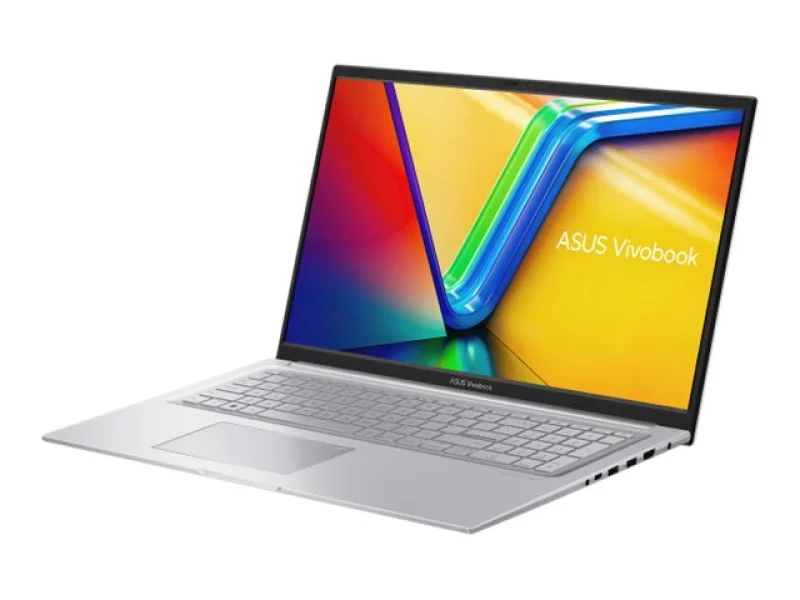
Technical specifications
| Type | Laptop |
| Release year | 2024 |
| Screen | 17.3" · 1600x900 |
| Processor | Intel Core 3 100U , Intel Core 5 120U , Intel Core 7 150U , Intel Core i5 1235U |
| Max. RAM | 16 GB |
| Weight | 2.1 kg |
| Battery | 50 Wh |
Performance scores
The Vivobook 17 in context
The ASUS Vivobook 17 (X1704) is a 2024 business-class laptop with a 17-inch chassis — a form factor that trades portability for screen real estate, and the absolute portability index reads 23, the low band that is the standing cost of that diagonal. Our data coverage for this model is limited: only 36% of key specifications are confirmed from primary sources, with several critical fields inferred from the model name and CPU generation. The conclusions below are based on available data and should be treated as provisional.
Reliability: the standout figure
The most notable metric is the reliability index of 92 — 70% above the business-class category median of 54 and in the high tier. This figure, derived from component quality scoring and historical failure-rate data, suggests the Vivobook 17 is built to last. For buyers prioritizing long-term ownership over cutting-edge performance, this is a meaningful signal. The CPU score of 75.15 (27% above median, high tier) indicates the processor is also above average for the class, capable of handling demanding office workloads and light development tasks without strain.
The memory constraint
The trade-off is memory: the Vivobook 17 supports a maximum of 16 GB of RAM, which is half the category median of 32 GB. For standard productivity work — browsing, office applications, video calls — this is adequate. But for power users running multiple virtual machines, large local development environments, or memory-intensive creative applications, 16 GB will become the binding constraint within the laptop's useful life; every recorded configuration of this platform stops there.
Capability fit
The laptop meets recommended specs for Grand Theft Auto V and minimum requirements for Sims 4 and Dota 2, suggesting the integrated graphics solution can handle casual gaming and older titles. It also clears minimum thresholds for Adobe Photoshop and Visual Studio Code, making it viable for entry-level design work and software development. These capabilities align with a general-purpose business laptop rather than a specialized workstation.
Data limitations
It is worth noting the low data confidence (36%). The release year, GPU presence, and maximum RAM are all inferred rather than confirmed from primary specifications. Buyers should verify these details against official ASUS documentation or retailer listings before making a purchase decision based on this analysis.
🧭 Your context
Stage: Vague sense of need
Browse category overviews to narrow things down.
🎮 What it can run
⚙️ Configuration analysis
Top configuration is sufficient for office work, media playback, and older or undemanding games.
🤔 How to choose
Universal advice for any use case.
- Reliability vs price: reliability (median 54) ↔ price (median 247.9).
- Weight vs CPU: mobility (median 50) ↔ overall performance (median 43.1).
- Upgradeability vs battery: upgradability (median 50) ↔ battery life (median 2.3).
Vivobook 17 (X1704): verdict
➡️ Next step
Browse category overviews to narrow things down.