ASUS VivoBook 15 M513 review
ASUS VivoBook 15 M513 — from 2021, 1.8 kg, performance 46.
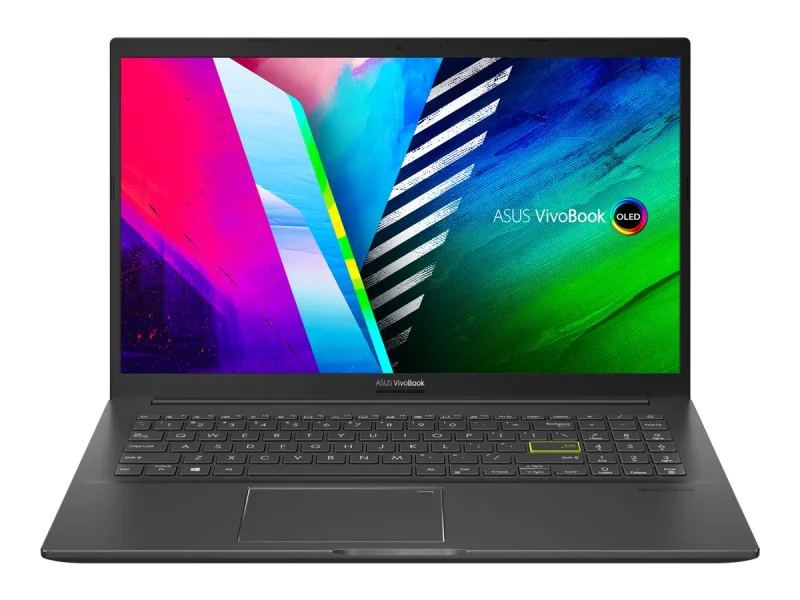
Technical specifications
| Type | Laptop |
| Release year | 2021 |
| Screen | 15.6" · 1920x1080 |
| Processor | AMD Ryzen 5 5500U , AMD Ryzen 7 5700U |
| Graphics | Radeon RX Vega 7 |
| Max. RAM | 16 GB |
| Weight | 1.8 kg |
| Battery | 42 Wh |
Performance scores
Five years old, $399, and still clearing recommended bars
The VivoBook 15 M513 of 2021 is the quiet bargain of this shelf: a Ryzen 5 5500U with Radeon Vega 7 graphics and 16 GB of RAM asking $399. The peer data puts its graphics at 43.85 against a general-class median of 27.24 — 61 percent above, mainstream tier — and its mobility at 64 against a 50 median, top quartile. The flagged weakness is memory: the 16 GB ceiling sits at half the class median. Five years of age have not yet retired a single receipt.
Vega 7 receipts at a floor price
The capability sheet is the story: Overwatch, Grand Theft Auto V, and Rainbow Six Siege all clear recommended — not minimum, recommended — with Adobe Photoshop and Visual Studio Code clearing minimum. That is the integrated-graphics trifecta passing at the higher bar, on a $399 machine, in 2026. The Vega 7 was the best mainstream iGPU of its year, and the flags show the silicon still earning its keep for esports and light creative work.
Carries well, capped at 16 GB
Mobility at 64 — 28 percent above class median, top quartile — makes this an easy daily carry for a 15-inch machine. The honest cost is memory: 16 GB is the ceiling, flagged at half the class median. For the gaming and office loads this machine is built for, 16 GB remains adequate; for heavy multitasking or memory-hungry creative tools, it is the binding constraint, and the data says so plainly.
Gentle decay for its tier
The measured rate is 11.13 percent per year with no launch anchor for this unit — among the gentler slopes in this batch. At $399 the absolute stakes are small either way: two more years at that rate leave roughly four-fifths of the ticket, and the capability bars, not the price, are what to watch.
Positioning on the shelf
No analog peers are returned. Within the batch, the ZenBook 13 UM325 shares the 5500U-and-Vega-7 platform on the premium shelf at $739 — the same silicon, a nicer body, $340 apart — which frames the M513 as the rational seat for the platform. The OLED Vivobook Go at $246 trades compute for panel below it.
Bottom line
For a buyer who wants verified recommended-bar gaming and honest office compute at the lowest sensible ticket, this is the machine: top-quartile mobility, the strongest iGPU receipts at this price, and a memory ceiling that is fully disclosed and mostly livable. Five years old, and the flags still fly.
🧭 Your context
Stage: Refining requirements
You're refining — compare finalists head-to-head.
🎯 For your profile
You've viewed: You've recently viewed 50 models — compare this model with them in the analogs matrix.
⭐ What stands out
-
graphics performance is higher than typical general laptop class (+61%) (mainstream tier).
above class average -
memory capacity is lower than typical general laptop class (+50%) (comfort).
below class average -
mobility is higher than typical general laptop class (+28%) (mid).
top 25% of its category
🎮 What it can run
⚙️ Configuration analysis
Top configuration suits everyday productivity, light photo editing, and esports titles.
🤔 How to choose
Universal advice for any use case.
- Reliability vs price: reliability (median 54) ↔ price (median 247.9).
- Weight vs CPU: mobility (median 50) ↔ overall performance (median 43.1).
- Upgradeability vs battery: upgradability (median 50) ↔ battery life (median 2.3).
VivoBook 15 M513: verdict
➡️ Next step
You're refining — compare finalists head-to-head.